Sri Lanka's second chance: bankrupt in 2022, now rebuilding under a government that promises to end the corruption of the past.
Editor's view · First written June 2023 · Updated October 2026
Sri Lanka's second chance
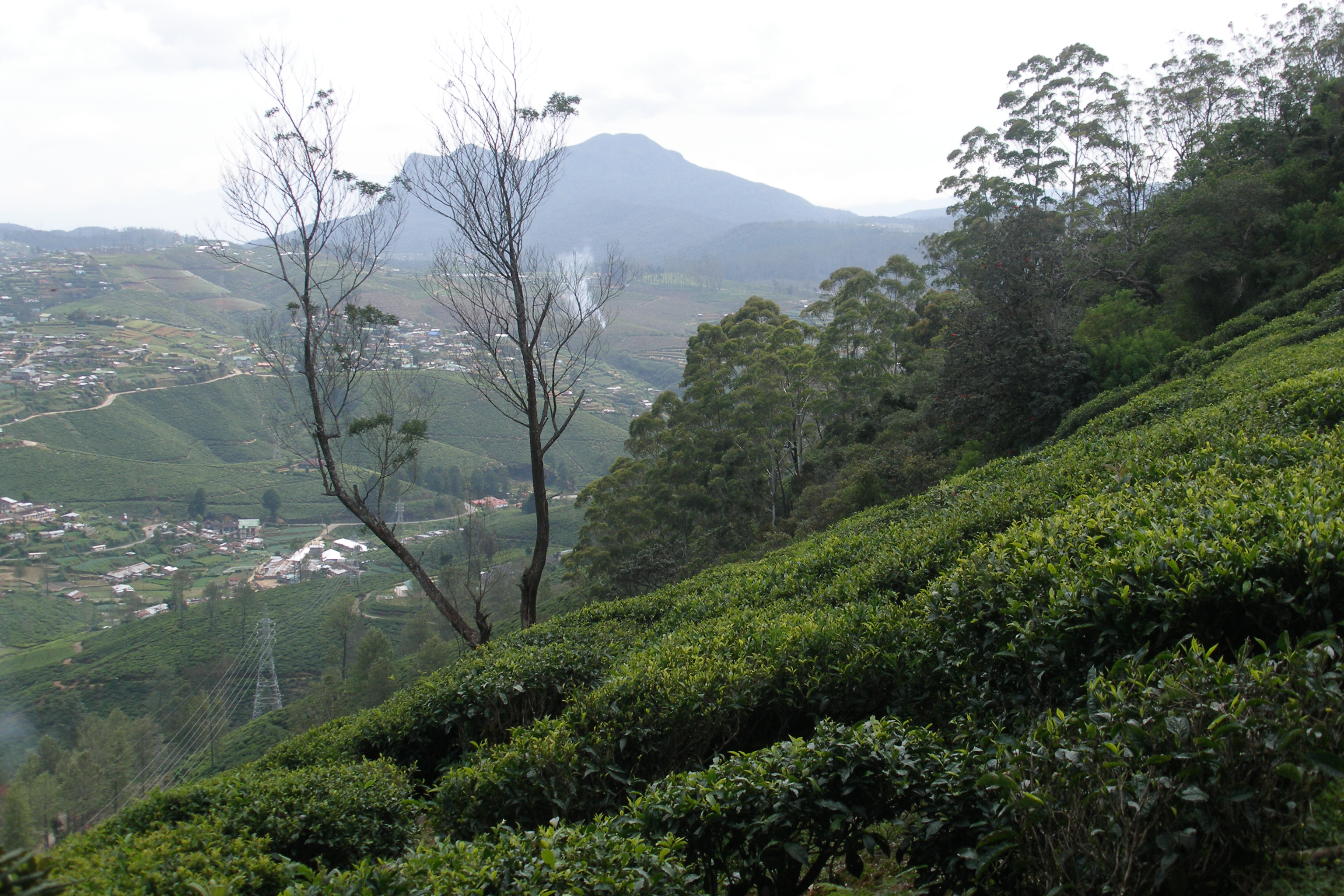
Most Americans know Sri Lanka, if at all, as a tropical island of serene beaches, elephants roaming in the wild and inexpensive resorts, and as the source of the fine tea they drink. Some know, vaguely, that the British science fiction writer Arthur C. Clarke lived there for half a century. Canadians and Australians know Sri Lankans far better, because they took in large numbers of Tamil refugees fleeing the civil war. Sri Lankans also play excellent cricket; they won the World Cup in 1996, a feat few Americans noticed.
Fewer still know how old the American ties are. American missionaries arrived in Jaffna in 1816 and opened schools that educated generations of Tamils. In 1880 Henry Steel Olcott, a Union Army veteran of the Civil War, came to Ceylon and helped spark a Buddhist revival. He mentored the young Anagarika Dharmapala, who spoke for Buddhism at the World's Parliament of Religions in Chicago in 1893.
Those ties frayed in the 20th century. When Ceylon took over American oil companies' assets in 1962, Washington cut off aid. Sri Lanka declared itself nonaligned, and the Cold War rivals courted it without doing much for its people. From 1983 to 2009 the government fought the Tamil Tigers, who wanted an independent Tamil nation in the north and east. A UN panel later found that tens of thousands of civilians may have died in the war's final months. Western governments condemned Sri Lanka's human rights record, even as their citizens kept drinking its tea.
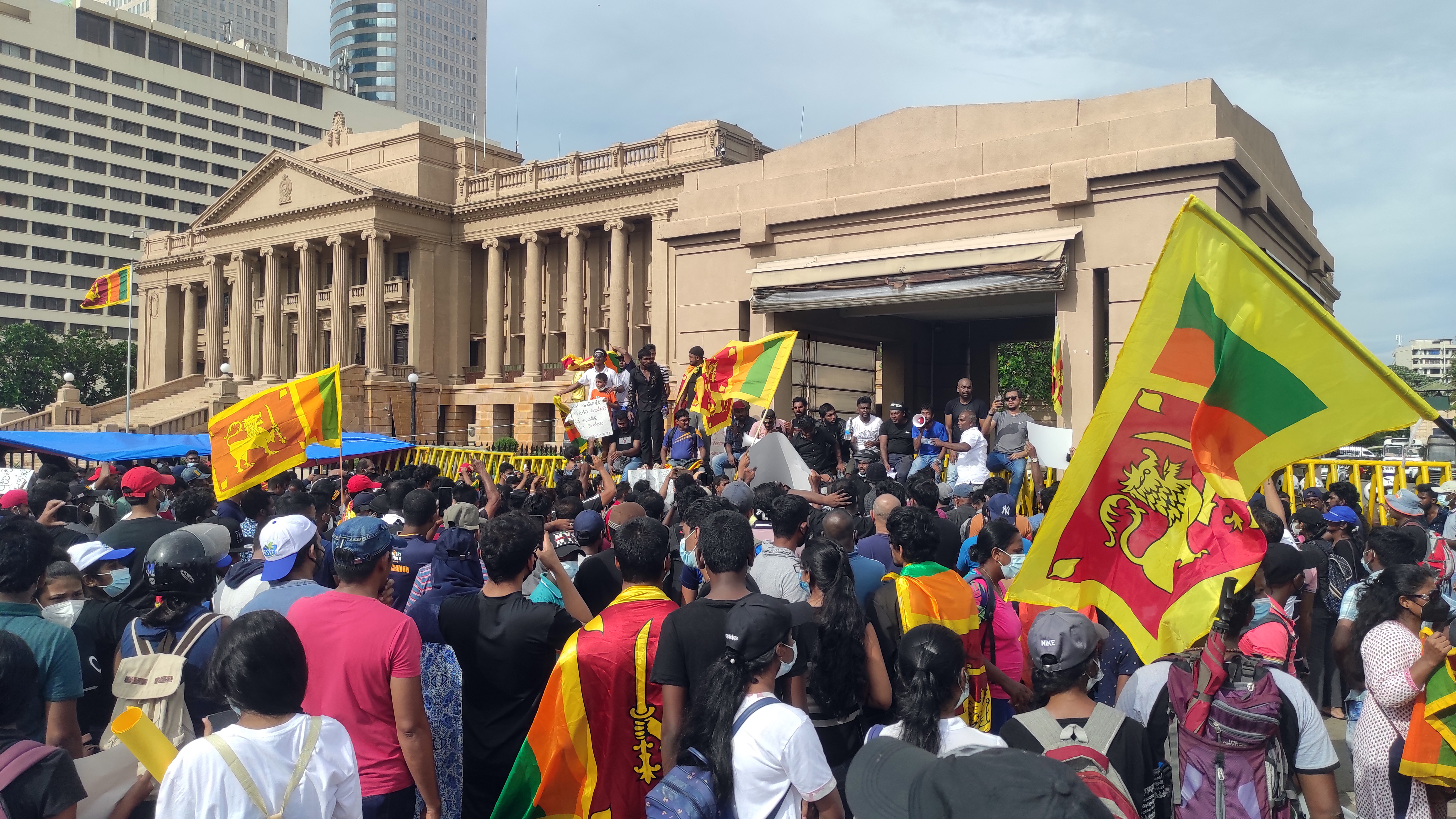
In this century China and America have courted Sri Lanka for its position on the Indian Ocean sea lanes, and Chinese loans built a port that Sri Lanka had to lease to China when it could not repay. In 2022 the country went bankrupt, and protesters drove the Rajapaksa family from power. In 2024 voters elected an outsider who promised to end corruption. Meanwhile, America has become the biggest buyer of Sri Lanka's exports, mainly apparel, tea and rubber.
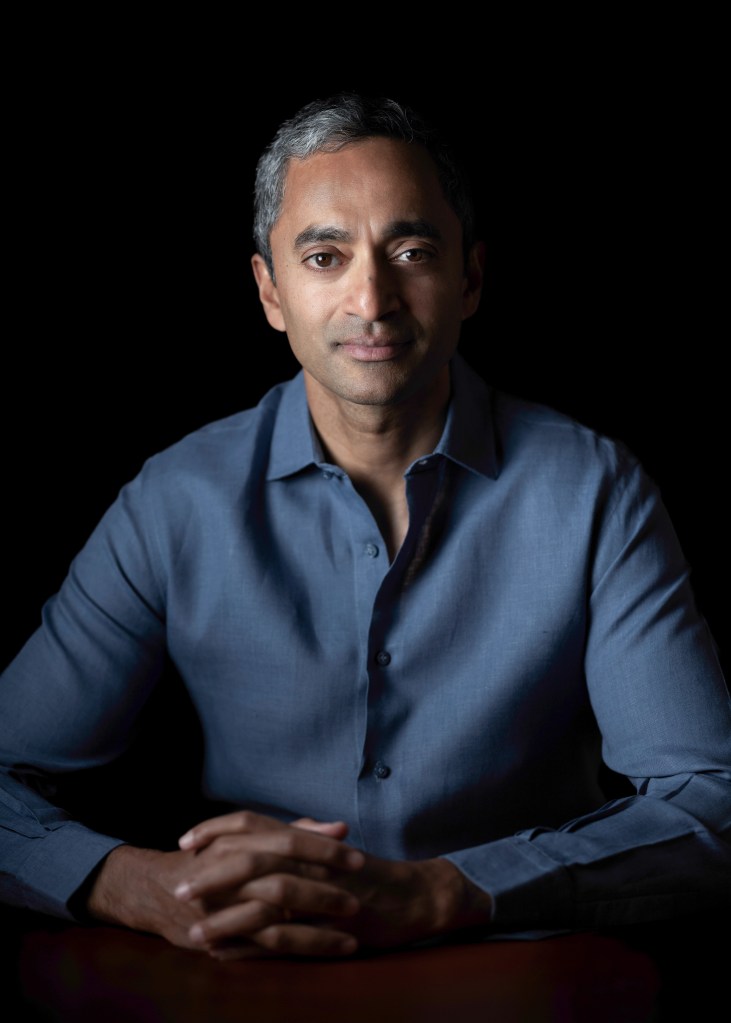
Americans think of Sundar Pichai and Satya Nadella when they think of South Asian success in tech. Sri Lanka has given us a gem of its own: Chamath Palihapitiya, born in Colombo and raised in Canada, an early Facebook executive turned billionaire investor. His All-In podcast, co-hosted with David Sacks, President Trump's former AI and crypto adviser, has become a forum where America's AI policy is argued. An island of 22 million that Americans rarely think about matters more than its size suggests.
— John Laxmi
Editor's comments
The editor comments on Sri Lanka when events warrant, rather than on a fixed schedule. Newest first.
-
Trump tariffs: they made America’s clothing, and now they are getting punished for it
Editor's comment
BBC · Trump tariffs: they made America's clothing, and now they are getting punished for it
The headline is as misleading as the article. Sri Lankans, Cambodians and Bangladeshis are not being “punished,” least of all for working in garment factories. Attention-seeking headlines like this have become common even in reputable outlets.
The Rutgers dean quoted in the piece concedes that developing countries, like America, benefited from the old quota system. For nearly three decades most of them, apart from China and to a lesser extent India, squandered those benefits. They failed to invest in their people's health, education and environment, and corruption and bad governance were the norm. Countries like Sri Lanka and Cambodia are now paying the price, while China, and to a lesser extent India, can absorb the change with less pain.
-
Government under pressure to announce Sri Lanka’s stand in case of an India–Pakistan war
Editor's comment
Daily Mirror (Colombo) · Government under pressure to announce Sri Lanka's stand in case of an India–Pakistan war
Does Sri Lanka really have a dog in the fight between India and Pakistan? Why should it have to take a stand at all?
That the question is being asked at all is not a good sign. It shows how the terrorist attack in Kashmir could escalate into a wider regional conflict. Afghanistan is already on its fringe: Pakistan suspects India of backing militant attacks from Afghanistan, just as India suspects Pakistan of backing militants in Kashmir. America has said it supports India, and China may feel compelled to back Pakistan, where it has large investments. Against this background India's restraint matters, and its measured responses so far are admirable.
Sri Lanka in proportion
Reference figures, refreshed on a schedule.
Share of the five countries, 2024
Size of the economy, 1990–2024
GDP in current U.S. dollars, not adjusted for inflation.
Then and now
1990 (lighter bar) and 2024 (darker bar)
Life expectancy bars are drawn on a scale of 0 to 85 years.
Exchange rate
Rs 330.55 per US$
Oct 12, 2026 · ExchangeRate-API · updated weekly
U.S. trade in goods with Sri Lanka
| 2025 | 2026 Jan–Jun | |
|---|---|---|
| U.S. exports | $369m | $316m |
| U.S. imports | $3.1bn | $1.5bn |
| U.S. balance | −$2.7bn | −$1.2bn |
U.S. Census Bureau · updated monthly · negative = U.S. deficit
Sources: World Bank, World Development Indicators (population, GDP, GDP per capita, life expectancy). Updated yearly.
Stereotype and Reality
Stereotype: a war-torn island, or simply a beach getaway.
Reality: the war ended in 2009. Sri Lanka is the richest of the five countries on this site, with income per person of $4,545, about two-thirds higher than India's.
Source: World Bank, GDP per capita, 2024
Other countries
India · Pakistan · Bangladesh · Nepal

