Bangladesh's fading promise: a decade ago the region's development star, now adrift between India, Pakistan and China.
Editor's view · First written June 2023 · Updated October 2026
Bangladesh's fading promise
Most Americans know Bangladesh, if at all, as the place that made their clothes and shoes, though the labels carry global brand names. Some know Muhammad Yunus, the Nobel Peace laureate who pioneered microcredit. Few remember that in 1971, when Bangladesh fought for independence from Pakistan, the Nixon administration backed Pakistan, ignoring its own diplomats' cables about the slaughter of Bengali civilians. Americans have forgotten; Bangladeshis have not.
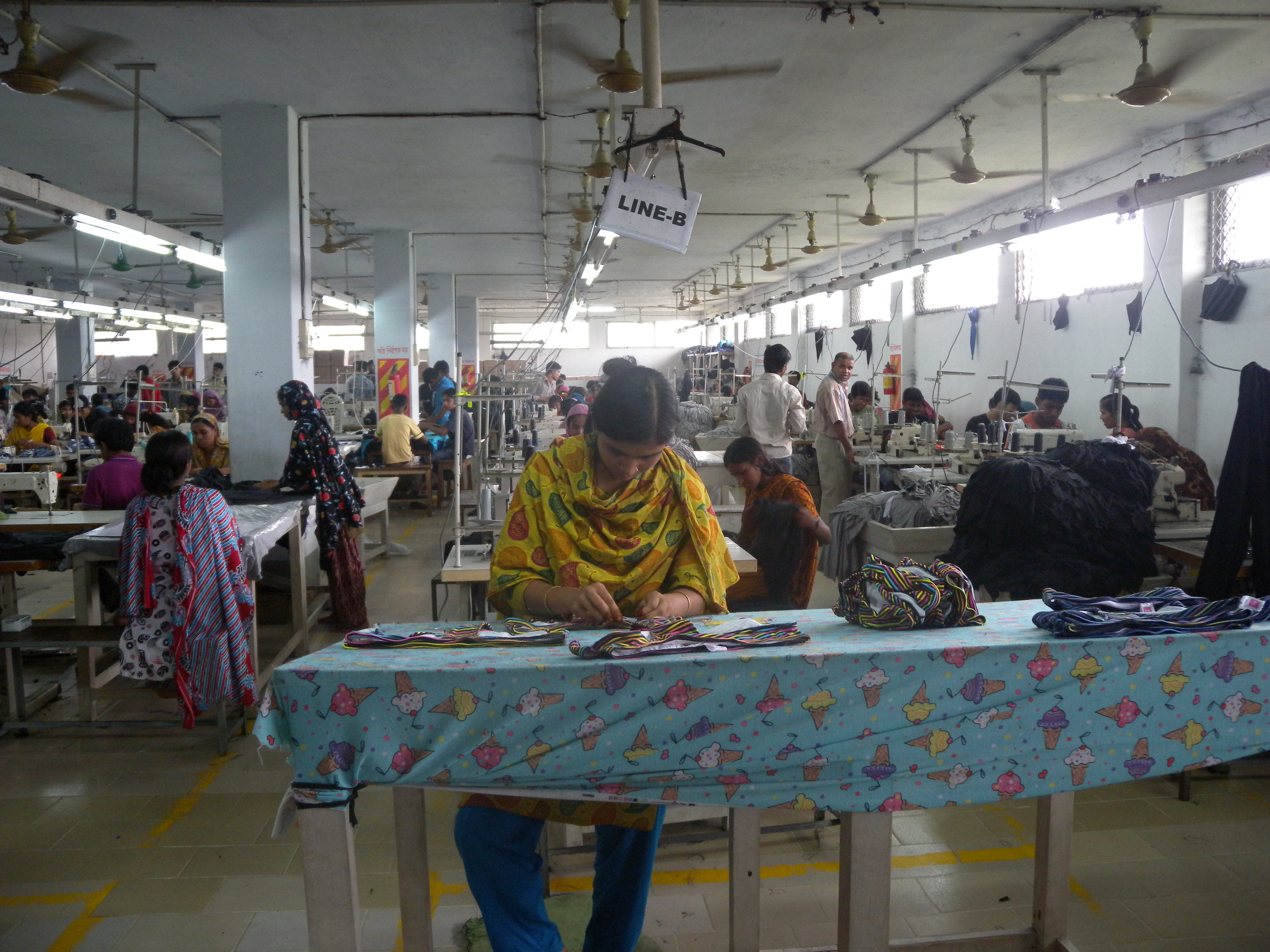
The garment industry began in 1978, when South Korea's Daewoo trained Bangladeshi workers. Western buyers, Americans prominent among them, then built it into the world's second-largest garment exporter, after China. When the Rana Plaza factory building collapsed in 2013, killing more than 1,100 workers, media coverage pushed brands to pay for factory inspections, and buildings became safer. Wages and workers' rights have improved far less, and factory fires still kill workers.
For two decades Bangladesh was a development success; around 2020 its income per person overtook India's. But growth was already slowing when a student-led uprising in 2024, in which as many as 1,400 people were killed, toppled Sheikh Hasina's increasingly authoritarian and corrupt government. She fled to India. Yunus's interim government held elections in February 2026, from which Hasina's party was barred; the Bangladesh Nationalist Party won, but growth remains far below the 7 percent of the 2010s.
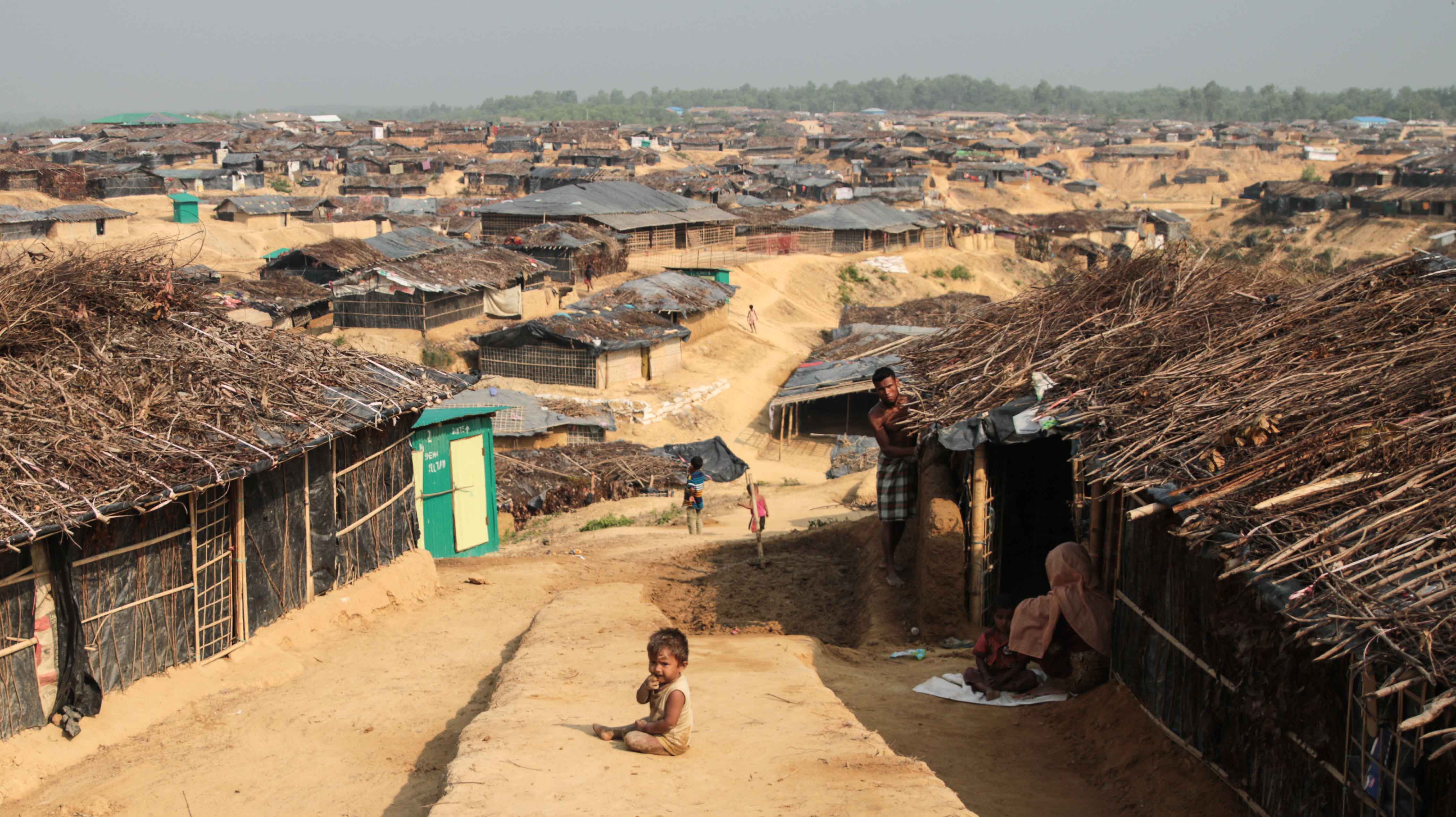
The hope that Bangladesh would keep growing in harmony with its neighbors has faded. Bangladeshis resent India for sheltering Hasina, who was sentenced to death in absentia in 2025; India has not handed her over. In a strange twist, Bangladesh is warming to Pakistan, the country it fought for its independence, while China works to extend its influence. On its other border, Bangladesh shelters more than a million Rohingya refugees who fled Myanmar's army, most of them since 2017, a burden that shrinking international aid makes heavier.
Bangladesh's monsoon floods, worsened by climate change, get such routine coverage that most people tune them out. Its assets are fertile land, rich fisheries, untapped gas in the Bay of Bengal and, above all, 175 million people, many of them young and eager to work. If its development stalls and its politics turn unstable, the consequences could ripple well beyond the subcontinent. Americans cannot decide where Bangladesh goes, but with China close by, we must watch it closely.
— John Laxmi
Editor's comments
The editor comments on Bangladesh when events warrant, rather than on a fixed schedule. Newest first.
-
Pakistan gears up for a Dhaka rendezvous with Bangladesh’s hardliners
Editor's comment
NDTV · Pakistan gears up for a Dhaka rendezvous with Bangladesh's hardliners
Who would have imagined this rapprochement between Pakistan and Bangladesh? It is no Trump-brokered deal. Perhaps the credit for this miracle belongs to India.
-
Bangladesh’s Gen Z ‘revolution’ shouldn’t come through religious violence
Editor's comment
The Hill · Bangladesh's Gen Z ‘revolution’ shouldn't come through religious violence
This op-ed is full of demands that the United States must or must not do this or that, with no explanation of why the United States should act at all.
The authors are understandably concerned about the plight of minorities, including Hindus, in Bangladesh. But why bring America into it? Many Indians, including prominent leaders, object when Americans criticize India's treatment of its minorities. If America has no standing to criticize India, where does it get the authority to criticize Bangladesh, or to act? Everyone hates America's role as the global cop, until they want the cop in their own neighborhood.
-
An essay on America’s role in Bangladesh’s faltering democracy
Editor's comment
Foreign Policy · An essay on America's role in Bangladesh's faltering democracy
This essay, by the Bangladeshi writer Ahmede Hussain, is a must-read for anyone who assumed that Bangladesh must be doing fine politically because it is doing so well economically.
The West indirectly supports much that is good and bad in Bangladesh; many of the clothes Americans wear are made there. Meanwhile, as the essay reports, Bangladesh's government has been drawing closer to Russia and China, and India, America's new partner, is reported to be stymieing U.S. interests there. Could Western buyers use their leverage, through boycotts of Bangladesh's garment exports or similar means? Would it work?
Bangladesh in proportion
Reference figures, refreshed on a schedule.
Share of the five countries, 2024
Size of the economy, 1990–2024
GDP in current U.S. dollars, not adjusted for inflation.
Then and now
1990 (lighter bar) and 2024 (darker bar)
Life expectancy bars are drawn on a scale of 0 to 85 years.
Exchange rate
Tk 123.14 per US$
Oct 12, 2026 · ExchangeRate-API · updated weekly
U.S. trade in goods with Bangladesh
| 2025 | 2026 Jan–Jul | |
|---|---|---|
| U.S. exports | $2.4bn | $1.1bn |
| U.S. imports | $9.5bn | $5.5bn |
| U.S. balance | −$7.1bn | −$4.4bn |
U.S. Census Bureau · updated monthly · negative = U.S. deficit
Sources: World Bank, World Development Indicators (population, GDP, GDP per capita, life expectancy). Updated yearly.
Stereotype and Reality
Stereotype: an “international basket case,” the phrase used in a 1971 Nixon White House meeting, and the image of floods, famine and aid appeals that followed.
Reality: Bangladesh became the world's second-largest garment exporter and matched India's income per person. A Bangladeshi born in 1990 could expect to live 56 years; one born today can expect almost 75, nearly three years longer than an Indian. Child deaths fell from 147 to 31 per 1,000 births.
Source: World Bank, via Then & Now

