Nepal, the restless republic: a kingdom until 2008, now governed by a party swept into power after a youth uprising.
Editor's view · First written June 2023 · Updated October 2026
Nepal, the restless republic
This small nation is known worldwide for its setting at the foot of the Himalayas: scenic lakes, towering mountains and challenging trekking trails. It draws more than a million foreign visitors a year, including over 100,000 Americans.
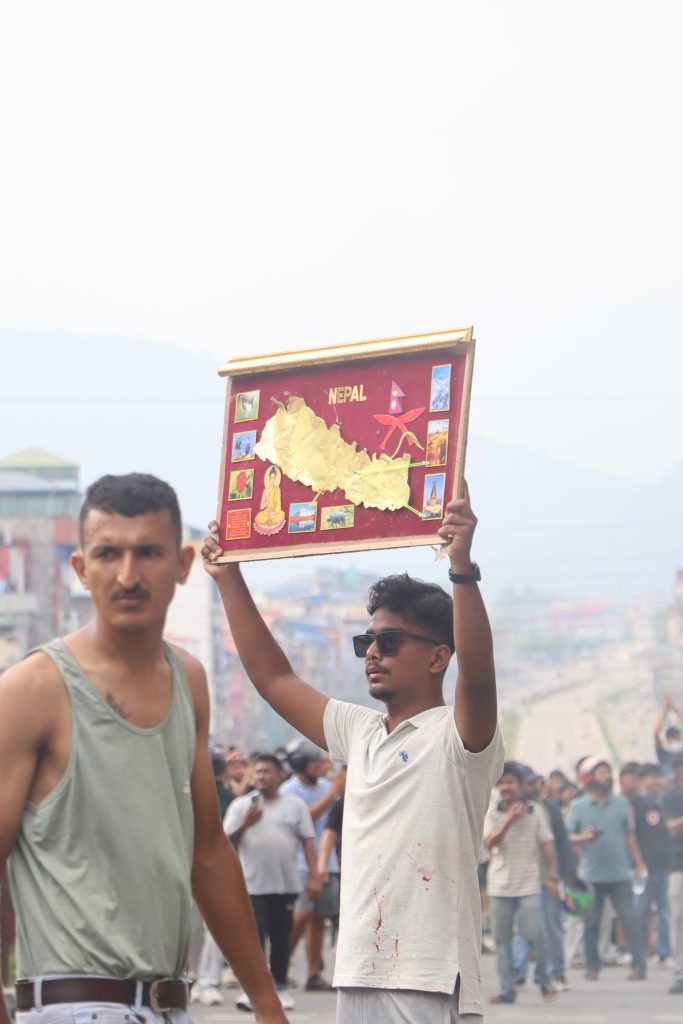
Few are aware that Nepal was ruled by a line of kings for more than two centuries, a line shaken by the massacre of the royal family in 2001 and ended in 2008, when Nepal became a republic. Its democracy has been turbulent ever since. In September 2025, a youth-led uprising against corruption brought down the government in barely two days, at a cost of more than 70 lives. Commentators in India and Russia's state media were quick to suspect the CIA. No evidence has surfaced, but America's open use of the CIA to help topple Venezuela's Maduro a few months later has kept such suspicions alive across the region. In March 2026, voters handed a landslide to a three-year-old party led by a 35-year-old former rapper and Kathmandu mayor.
Nepal's location between India and China makes it strategically important to America. Yet we hear about Nepal mostly when disaster strikes, as in August 2026, when a glacier collapse unleashed floods that killed more than 1,400 people, including foreign tourists and pilgrims, with thousands more still missing.
Humanitarian concern alone should make Americans want to know more about Nepal. Its strategic location makes it all the more important.
— John Laxmi
Editor's comments
The editor comments on Nepal when events warrant, rather than on a fixed schedule. Newest first.
-
How Nepal’s democracy exploded overnight
Editor's comment
The Juggernaut · How Nepal's democracy exploded overnight
This article covers more of Nepal's history than most coverage of the protests, from the 1990 democracy movement to the 2001 palace massacre. It is written by Snigdha Sur, the founder of The Juggernaut.
Nepal in proportion
Reference figures, refreshed on a schedule.
Share of the five countries, 2024
Size of the economy, 1990–2024
GDP in current U.S. dollars, not adjusted for inflation.
Then and now
1990 (lighter bar) and 2024 (darker bar)
Life expectancy bars are drawn on a scale of 0 to 85 years.
Exchange rate
Rs 155.14 per US$
Oct 12, 2026 · ExchangeRate-API · updated weekly
U.S. trade in goods with Nepal
| 2025 | 2026 Jan–May | |
|---|---|---|
| U.S. exports | $112m | $71m |
| U.S. imports | $124m | $51m |
| U.S. balance | −$12m | $21m |
U.S. Census Bureau · updated monthly · negative = U.S. deficit
Sources: World Bank, World Development Indicators (population, GDP, GDP per capita, life expectancy). Updated yearly.
Stereotype and Reality
Stereotype: Shangri-La, a timeless, isolated Himalayan kingdom of monks, mountaineers and trekkers.
Reality: Nepal was a kingdom for more than two centuries and has been a republic for nearly two decades. Its government was swept into power by twenty-somethings, and its economy runs largely on money sent home by Nepalis working abroad, equal to more than a quarter of GDP, nearly 27 percent in 2023.
Source: World Bank, personal remittances received (% of GDP)
Other countries
India · Pakistan · Bangladesh · Sri Lanka

